April 2026: Increasing Rotation Times in Forestry
In forestry, “rotation time” refers to the length of time trees are left to grow before being harvested. Historically, shorter rotations meant harvesting younger forests to maximize timber supply, but shorter rotations can also limit the function of wildlife habitat, reduce biodiversity, and limits the value of wood products that can be produced.
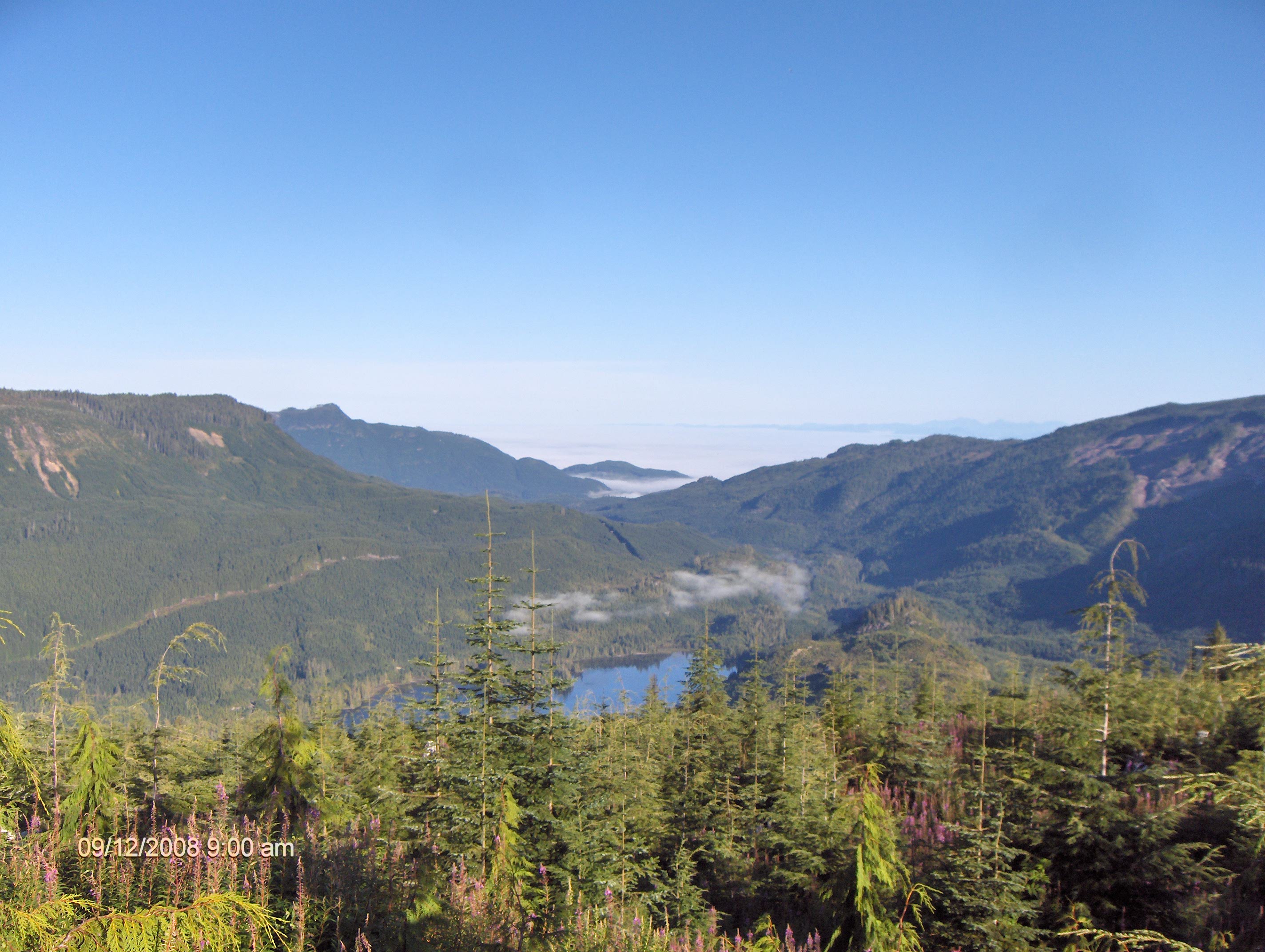
The T’łuładi Project is suggesting transitioning to longer rotation times in certain areas and types of forest within our territory. This means forests will be given more time to mature before harvesting occurs. Mature forests provide stronger wildlife habitat, greater cultural and ecological benefits, and more stable ecosystems.
Extending rotation time is a way to balance timber use with the health of the land, ensuring the forests remain productive and resilient over the long term.